
CAREER & SALARY GUIDE
Sheet Metal Worker
Explore salaries, skills, qualifications, career paths and opportunities for Sheet Metal Workers.
Your Guide to a Career in
Sheet Metal Worker
Sheet metal workers cut, shape, fold and join metal sheet into components and structures used across industries ranging from aerospace to ventilation and general engineering.
It is a trade with a clear route in through apprenticeships and a wide salary range depending on sector and specialist skills. The strongest earning potential tends to sit within areas such as aerospace and defence, where tighter tolerances and more demanding quality requirements increase the value of experienced workers.
This guide covers current salary benchmarks, how to get started as a sheet metal worker, the skills employers look for and where the highest-paid opportunities can be found.
Inside the Role
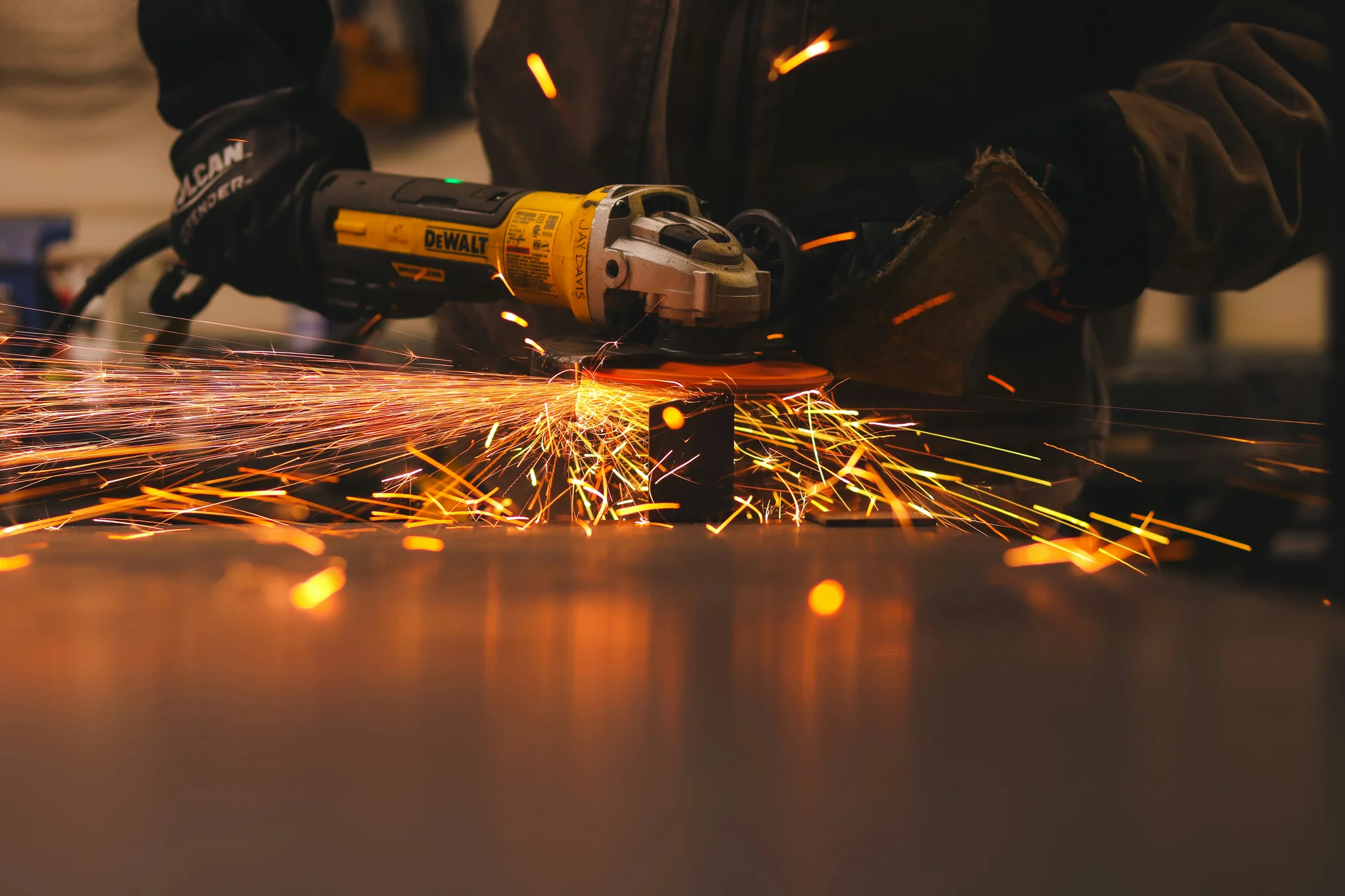
From interpreting drawings to finishing components, sheet metal work combines precision, practical skill and specialist machinery.
Reading & Planning
Interpret engineering drawings and specifications, measure materials and mark out components accurately before work begins.
Cutting & Shaping
Use hand tools and machinery to cut, bend, roll, fold and press sheet metal into the required shape.
Joining & Assembly
Bring prepared components together using techniques such as bolting, welding or soldering to create finished structures.
Finishing & Repair
Grind, file, clean and inspect completed parts, as well as carrying out repairs where required in maintenance-focused roles.
Sheet Metal Worker Salary Guide 2027
Labour market data compiled from National Careers Service sources puts the typical UK sheet metal worker on £24,551 a year, with new entrants starting around £20,652 and highly experienced workers reaching as much as £50,177. That top figure is worth paying attention to, because it shows just how wide the range is between a general fabrication shop and a specialist aerospace supplier.
Live vacancies confirm that spread. General subcontract fabrication roles advertised through Find a Job in 2024 and 2025 offered £14 to £19 an hour (roughly £27,000 to £37,000 full time), while sheet metal workers on aerospace and defence contracts working to tolerances as tight as 1mm gauge material were advertised at £35,000 to £40,000, with hourly contract rates reaching £17.50 to £20.
| Career Stage | Typical Annual Salary | Typical Experience |
| Apprentice, year 1 | £15,300 to £17,700 | National Minimum Wage for apprentices, rising with age |
| Apprentice, later years | £20,000 to £26,000 | Wage increases as skills sign-off progresses |
| Newly qualified | £24,000* to £28,000 | General fabrication and sheet metal shops |
| Experienced generalist | £28,000 to £35,000 | Confident across guillotines, brake presses and welding |
| Aerospace / defence specialist | £35,000 to £42,000 | Thin-gauge, tight-tolerance work, CNC brake press and laser cutting |
| Highest-paid specialists | Up to £50,000 | Multi-skilled, including CAD/CAM, laser and punch press programming and supervisory duties |
| * = The base level average figure is affected by minimum wage levels and the fact that under 21 earn at a lower rate. | ||
How to get started as a sheet metal worker
There is more than one route into sheet metal work. Apprenticeships are the most common starting point, but college-based training and experience from related trades can also provide a pathway into the profession. The right route will depend on your experience, qualifications and the opportunities available to you.
Level 2 Engineering Operative apprenticeship
This is the standard first step for school leavers, typically taking one to two and a half years. Entry usually asks for GCSEs in maths and English at grade 3 to 9 (D to A*), though some employers will take on candidates without them and build functional skills training into the programme.
You'll spend most of your week on the shop floor with one day at college, learning to cut, drill, tap, deburr, fold and assemble sheet metal components under supervision.
Level 3 Metal Fabricator apprenticeship
A longer programme, often three to three and a half years, that goes further into fabrication and welding technique alongside sheet metal work. This is the qualification that opens the door to the better-paid specialist and supervisory roles later on, and it's worth pushing for if an employer offers a choice between the two.
College Route
A college course covering engineering operations or fabrication and welding gives you a grounding before you look for a trainee role, particularly useful if no local employer has an apprenticeship vacancy open when you're ready to start.
Direct Entry With Transferable Skills
Employers will consider candidates from welding, general engineering or even skilled trades like joinery who can demonstrate accuracy with hand tools and the ability to read technical drawings, offering on-the-job training to fill the sheet-metal-specific gaps.
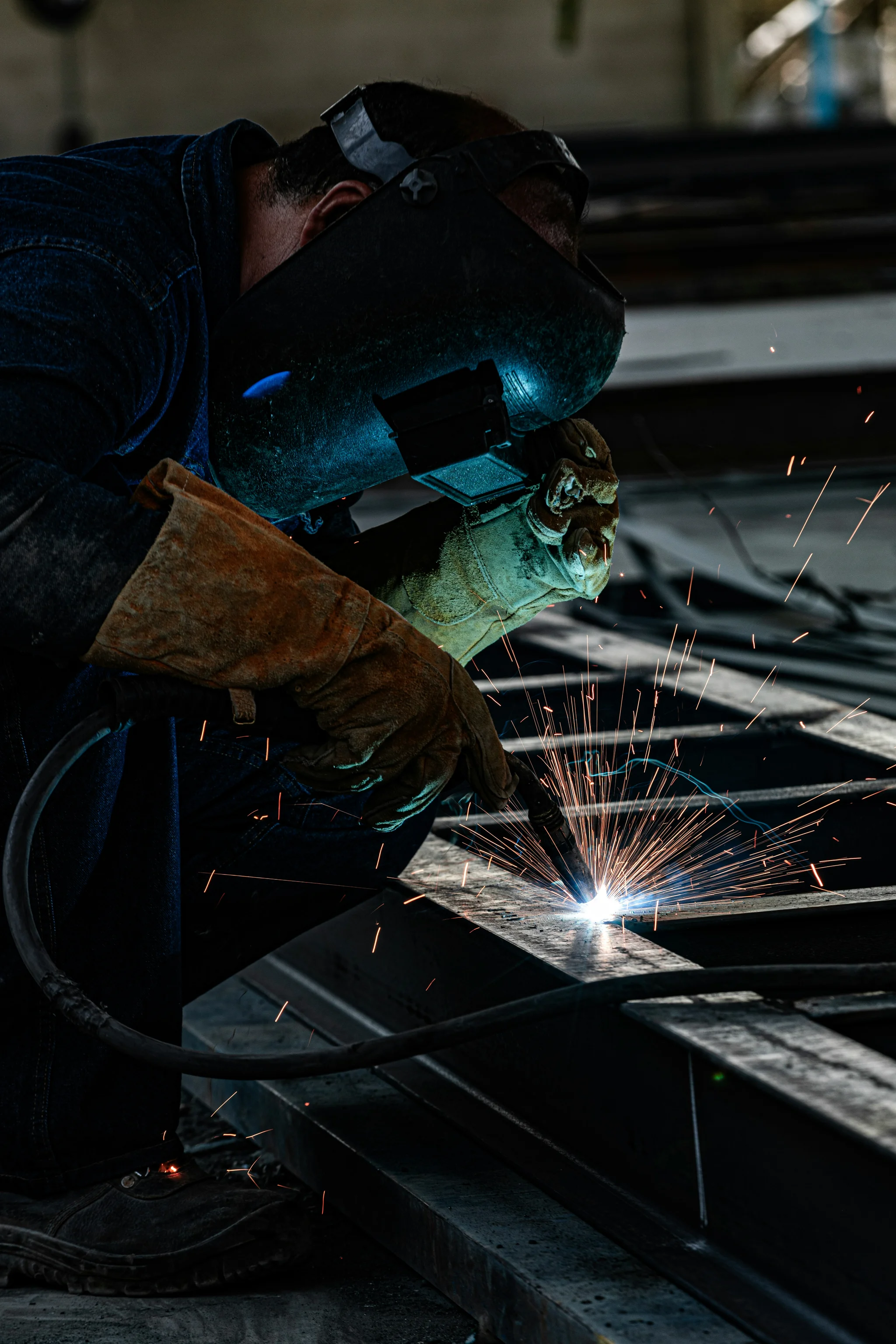
Whichever route you take, the core skills you'll need to demonstrate early are: reading engineering drawings and cutting lists accurately, using hand and machine tools such as guillotines, brake presses, punches, notchers and spot welders, and basic MIG or TIG welding, which is increasingly expected even in roles labelled as sheet metal rather than welding positions.
Where Is the Highest Pay for Sheet Metal Workers?
Three factors have the greatest impact on earning potential within sheet metal work.
Machine Versatility
Workers who can set and programme CNC brake presses, laser cutters and punch presses, rather than simply operate them, consistently command higher rates.
CAD/CAM knowledge is becoming increasingly important too. According to the research, this level of machine capability can contribute to the difference between a role paying around £28,000 and one paying around £38,000.
Specialist Sectors
Aerospace, defence, marine and nuclear subcontract work tends to pay noticeably more than general fabrication.
These environments involve tighter tolerances, materials that can be thinner and more difficult to handle without distortion, and stricter quality documentation requirements.
A sheet metal worker who is comfortable working with 1mm stainless steel or aluminium to aerospace standards therefore sits within a smaller, more specialist talent pool.
Welding Skills
Sheet metal workers who can also MIG and TIG weld to a recognised standard, particularly when working with stainless steel and aluminium, are generally more employable and better paid than those relying primarily on riveting, bolting or spot welding.
Contract and agency work is also common within areas such as aerospace subcontracting and can offer noticeably higher hourly rates than permanent employment.
However, contract positions may not offer the same job security or benefits, meaning this route can be better suited to experienced workers later in their career than those just entering the profession.
What Does a Typical Day Look Like?
A sheet metal worker's week typically involves examining drawings and specifications to work out what a job needs, marking out layout lines with templates and measuring instruments, then using hand or machine tools to bend, roll, fold, press or cut sheet metal to size. Prepared parts are then assembled and joined by bolting, welding or soldering, before the finished product is ground, filed, cleaned and checked against the original specification. Repair work, such as fixing damaged copper sheet or tubing by beating, riveting or soldering, is also common, particularly in maintenance-focused roles rather than pure production shops.
Career progression
With experience, sheet metal workers commonly move into:
- Team leader or workshop supervisor, overseeing a small crew and managing job scheduling
- CNC programmer, writing and optimising the code that drives laser cutters and brake presses
- Quality inspector, checking finished components against technical specification, particularly valuable in regulated sectors like aerospace
- Self-employed subcontractor, common among experienced welders and fabricators who take on their own site or workshop jobs
FAQS
Your Sheet Metal Worker Questions Answered
Do I need to be able to weld to work as a sheet metal worker?
Not necessarily for an entry-level position, but welding skills can significantly broaden your options and increase your earning potential. Most Level 3 apprenticeships include welding as part of the programme.
Can I move into sheet metal work from another trade?
Yes. This is particularly common for people coming from welding, joinery or general engineering. Employers regularly recruit experienced tradespeople from adjacent fields and provide training on sheet-metal-specific machinery.
Is sheet metal work physically demanding?
Yes. Sheet metal workers can spend long periods standing, handle sheet stock manually and work in environments that can sometimes be noisy or dusty. Heavy lifting is also routinely included as a requirement within job adverts.
What is the fastest way to increase my salary as a sheet metal worker?
Adding a recognised welding qualification and gaining hands-on experience using CNC brake presses or laser cutters are two of the strongest ways to increase earning potential.
According to the research, these capabilities can make a greater difference than years of service alone and can help workers progress towards salaries above £35,000.
Latest Jobs
Salary figures are drawn from labour market information sourced via the National Careers Service, apprenticeship wage data published on the government's Find an Apprenticeship service, and live vacancies advertised through Find a Job (DWP). All details correct as of October 2026.
For up to date salary and job information, speak to Mane Contract Services directly.