
CAREER & SALARY GUIDE
CNC Machinist
Explore salaries, skills, qualifications, career paths and opportunities for CNC machinists.
Your Guide to a Career in
CNC Machining
CNC machinists turn technical drawings into precision components using computer-controlled milling machines and lathes, supporting industries including engineering, automotive, defence and aerospace.
It is a skilled manufacturing role where practical ability, accuracy and machine knowledge can have a significant impact on both career progression and earning potential.
This 2027 guide explores current CNC machinist salary benchmarks, demand, routes into the profession, the skills employers look for and where experience in CNC machining can take your career.

Inside the Role
A CNC machinist combines technical understanding with hands-on precision. Day-to-day responsibilities can span machine setup, programming, production and quality control.
Programming & Setup
Load or create machine programmes from technical drawings, select suitable tooling and prepare machinery for each job.
Precision Machining
Set cutting speeds, tolerances and machining sequences to produce components accurately and efficiently.
Quality & Inspection
Check finished components throughout production using measuring equipment such as micrometers, calipers and gauges.
Problem Solving
Adjust setups, tooling or machining parameters when components are not meeting the required specification.
CNC Machinist Salary Guide 2027
According to the National Careers Service, CNC machinists earn between £25,000 as a starter and £42,000 once experienced. The Office for National Statistics put the average UK salary for the role at £37,430 in 2024, which sits comfortably inside that range and gives a useful midpoint for anyone benchmarking an offer.
Real vacancies posted on the government's Find a Job service in 2024 and 2025 back this up closely. A setter/operator role in Lincoln advertised at £25,000 to £29,500 plus shift allowance, while a more senior CNC turning and milling position in Denham offered £33,000 basic with a 22.5% shift allowance on top, pushing total earnings well above £40,000.
| Career Stage | Typical Annual Salary | Typical Experience |
| Trainee / apprentice | £15,700–£22,000 | Apprentice pay varies by age and training year |
| Newly qualified | £25,000*–£29,500 | Entry-level setter/operator roles |
| Experienced | £30,000–£37,500 | Experience across multiple machines and materials |
| Senior / multi-axis specialist | £38,000–£48,000 | 5-axis, CAD/CAM and tight-tolerance work |
| Programmer / supervisor | £42,000–£55,000+ | Programming, planning and team leadership |
| * = The base level average figure is affected by minimum wage levels and the fact that under 21 earn at a lower rate. | ||
Shift patterns move these figures around considerably. Double days, nights and rotating shifts commonly add 20% to 30% on top of the base rate, so two machinists with identical skills can end up on very different take-home pay depending on the pattern they work.
Location matters too. Machinists in the aerospace and defence clusters around the South West, the East Midlands and the North West tend to sit at the upper end of the range because the tolerances demanded by those sectors command a premium, while general subcontract machine shops elsewhere in the country pay closer to the national average.
What Can Increase Your Earning Potential?
Shift Patterns
Night, double-day and rotating shift patterns can add a significant premium to base salary.
Specialist Machining Skills
Experience with 5-axis machining, CAD/CAM programming and tighter tolerances can move machinists towards the higher end of the salary range.
Industry Experience
Aerospace and defence machining can sit towards the upper end of the market because of the precision and tolerance requirements involved.
How to become a CNC machinist
There are three recognised routes into CNC machining, and none requires a university degree.
Apprenticeship
An apprenticeship is the most common entry route.
An intermediate apprenticeship usually requires some GCSEs, including English and maths, while an advanced apprenticeship will typically ask for five GCSEs at grades 9 to 4, including English and maths.
Foundation apprenticeships have no set entry requirements, providing another route for school leavers who may not have strong exam results.
Apprenticeships combine paid, on-the-job training with college study and usually take between two and four years, depending on the level of the programme.
College First
College courses in areas such as advanced manufacturing and engineering, performing engineering operations or mechanical engineering can provide the underlying skills needed before applying for a first role on the shop floor.
This route may suit people who want to build broader engineering knowledge before specialising in CNC machining.
Direct Application
If you already have hands-on experience with CNC machine tools through another role, such as working as a machine minder, fitter or within a related trade, you may be able to apply directly.
At this stage, employers can place significant value on proven ability to set tools, read technical drawings and consistently work within tolerance, rather than formal qualifications alone.
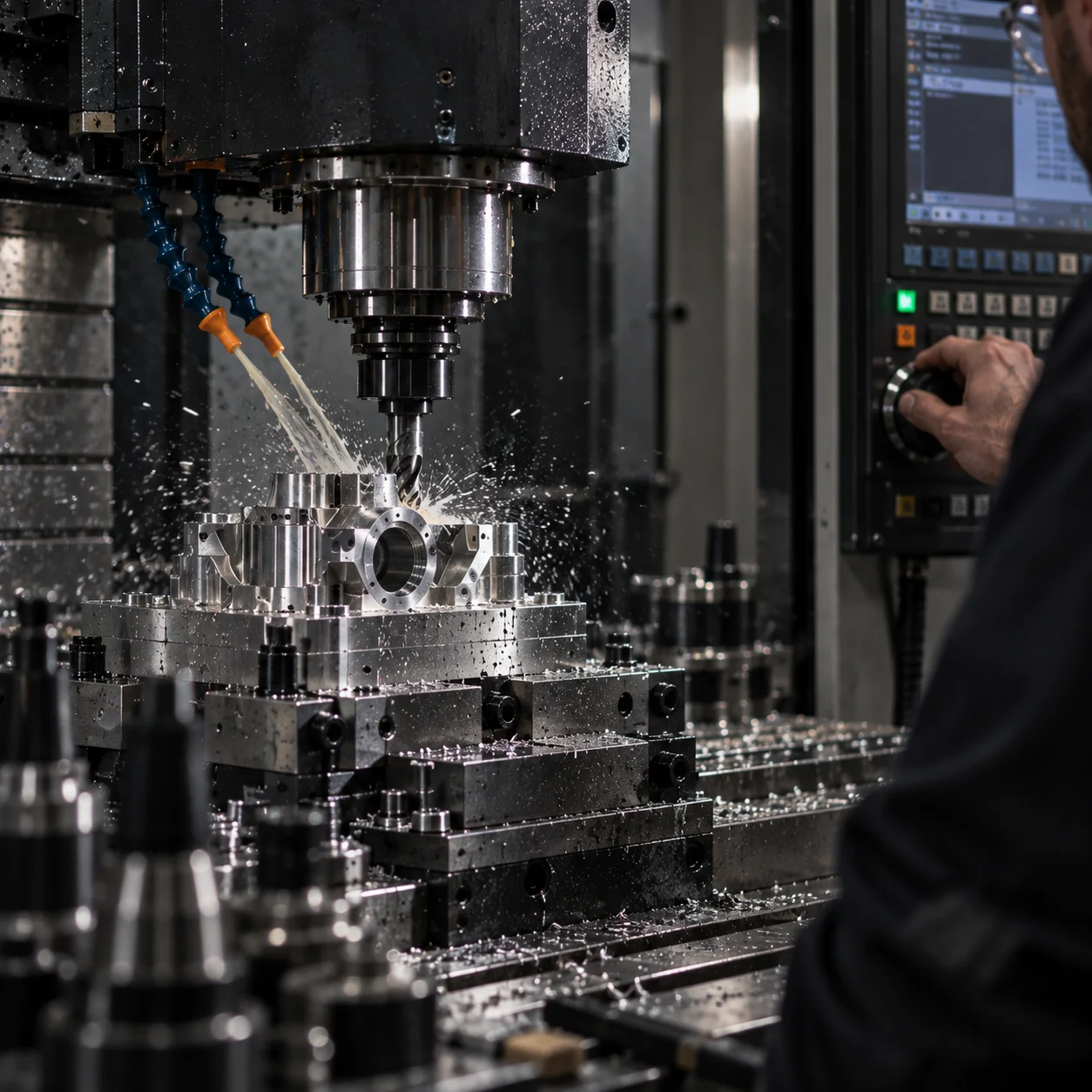
Whichever route you take, the skills employers actually test for are consistent: reading engineering drawings and CAD models, understanding G-code and CAM software, selecting the right tooling and cutting speeds for the material, and inspecting finished parts with micrometers, calipers and gauges. Attention to detail matters more here than almost any other trade, because a component that's out of tolerance by a fraction of a millimetre can be scrap.
Progression from there is well mapped out. With two or three years of solid experience, machinists commonly move into CNC programming, quality inspection, or a supervisory setter role. Further ahead, the natural ceiling roles are manufacturing engineer and workshop manager, both of which pay a clear premium over hands-on machining and draw on the same shop-floor knowledge.
CNC Machinist Demand in 2027
Demand for CNC machinists is stable rather than booming, but experienced machinists remain difficult to replace.
The National Careers Service employment outlook shows a very slight contraction in the number of CNC machinist roles nationally through to 2029. However, a large proportion of the current workforce is approaching retirement age, and manufacturers are struggling to replace time-served machinists as quickly as they leave.
This gap between experienced machinists leaving the workforce and the number of apprentices coming through college and employer-led schemes helps keep vacancies open across many regions.
Candidates with hands-on experience using controls such as Fanuc, Siemens or Heidenhain can be picked up quickly, particularly where employers need proven experience with CNC machine tools in engineering or manufacturing. In many cases, practical ability is valued ahead of formal qualifications.
Where Is Demand Strongest?
The research identifies steady demand across:
- Aerospace and defence subcontract manufacturing, particularly for 5-axis and tight-tolerance work
- Automotive and motorsport component supply
- General precision engineering and toolmaking
- Medical device manufacturing, including cleanroom-standard work
What Does a Typical Day Look Like?
A typical day can involve loading or programming machine tools from technical drawings, planning the most efficient machining sequence, selecting tooling, setting cutting speeds and tolerance levels and checking components throughout production.
Many roles are based in busy manufacturing environments, with machinists spending much of the working day on their feet. Protective equipment is standard, and evening, night or weekend shifts are common in facilities operating around the clock.
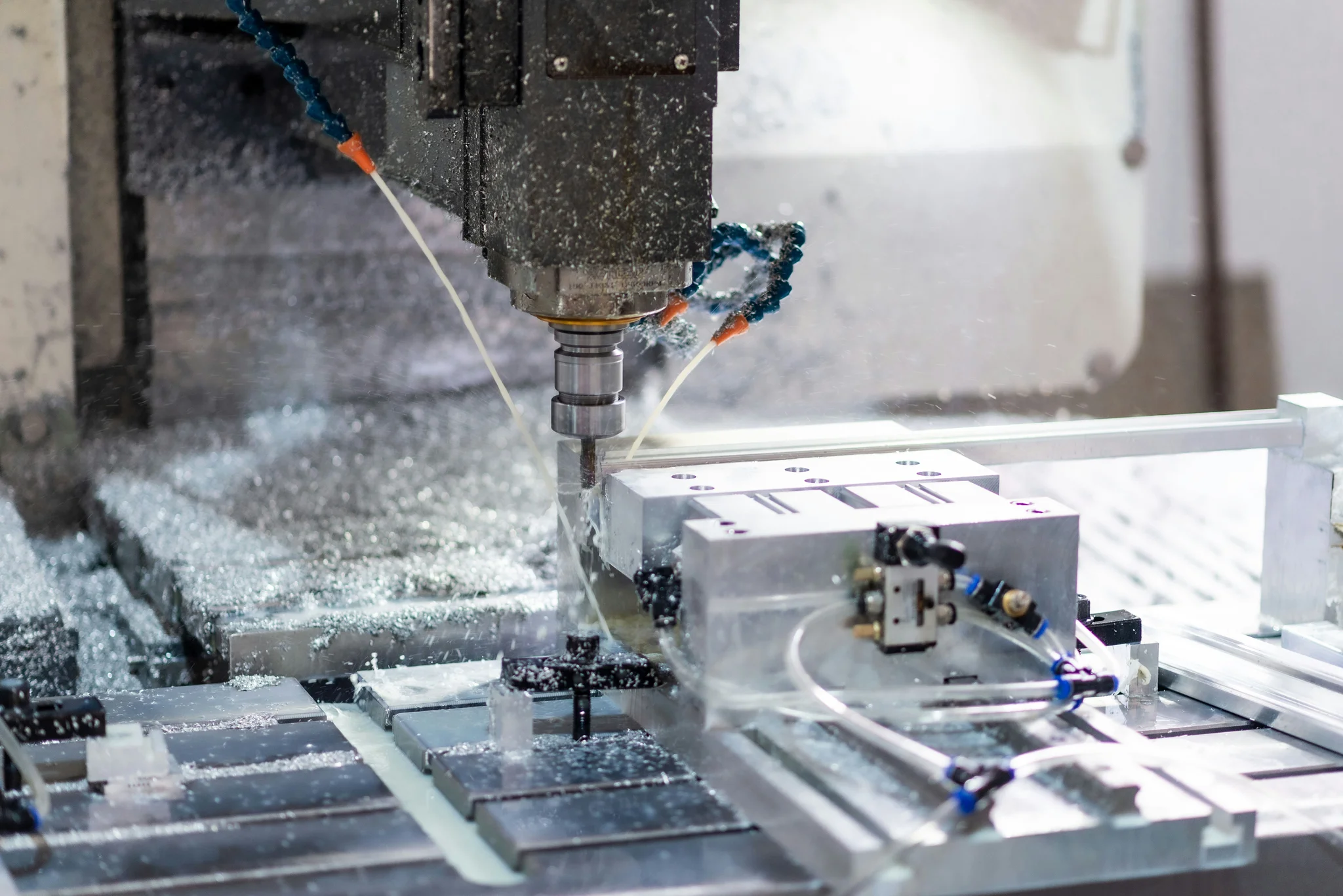
Skills and knowledge that get you hired
Beyond the technical basics, employers consistently ask for:
- Knowledge of manufacturing production processes and engineering science
- The ability to work independently once trained on a job
- Strong maths, particularly geometry and trigonometry for setting angles and calculating feeds and speeds
- Analytical thinking to troubleshoot a part that isn't coming out right
- The physical ability to use, maintain and occasionally repair machine tools
- A genuinely thorough, patient approach, since one rushed setup can cost hours of scrap material
FAQS
Your CNC Machinist Questions Answered
Do I need a specific qualification to become a CNC machinist?
There is no single mandatory qualification. Entry routes include apprenticeships, college engineering programmes and direct applications from related manufacturing roles.
Is CNC machining a shrinking trade?
Overall job numbers are relatively flat to slightly declining, but skilled setters and programmers remain difficult to replace as experienced machinists retire and simpler tasks become increasingly automated.
How long does it take to become fully competent?
The research suggests it commonly takes around two to three years of regular experience across different jobs and materials before machinists become confident setting unfamiliar work independently.
Can CNC machining lead into engineering or design?
Yes. CNC experience can lead into areas such as CAD/CAM programming, manufacturing engineering, quality inspection and workshop leadership.
Latest Jobs
Salary and outlook figures are drawn from the National Careers Service job profile for CNC machinist, the Office for National Statistics, and live vacancies advertised through Find a Job (DWP). Figures are gross annual salary before shift allowances and overtime unless stated otherwise. All details correct as of October 2026.
For up to date salary and job information, speak to Mane Contract Services directly.