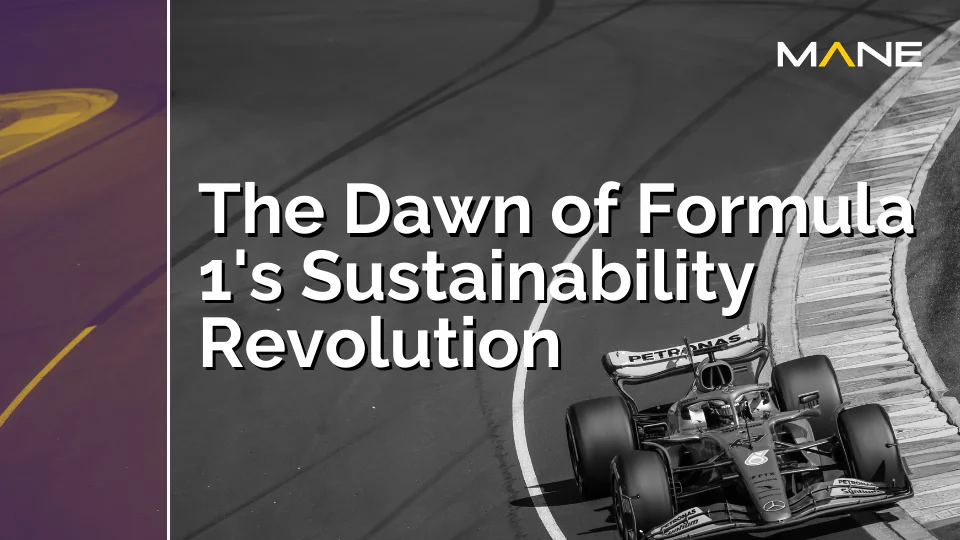
The Most Significant Technical Overhaul Since the Hybrid Era
02 Feb, 20264 minFormula 1 enters 2026 with the most significant regulatory changes since the hybrid era bega...

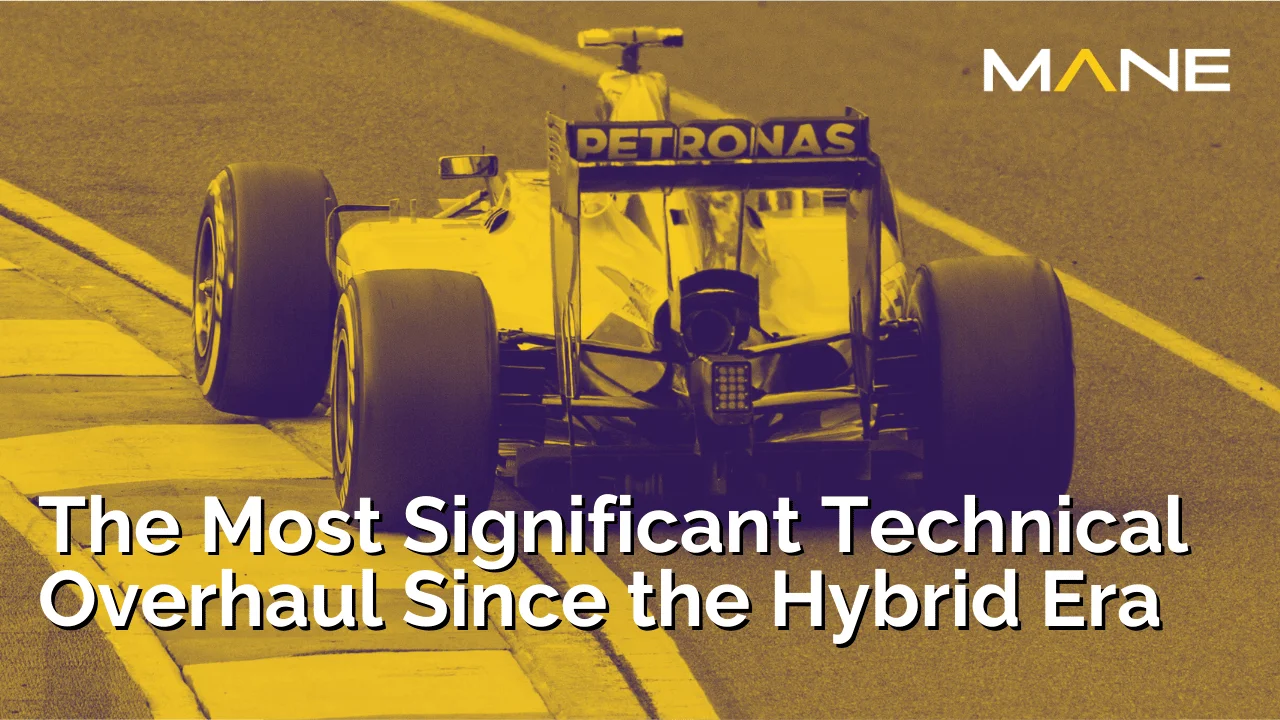
Formula 1 enters 2026 with the most significant regulatory changes since the hybrid era began in 2014, fundamentally altering how teams approach car design and race strategy. The season features a major overhaul of technical regulations for both cars and power units, new teams and engine suppliers, and an expanded 24-race calendar with a new Grand Prix in Madrid. These changes are designed to create smaller, lighter, and more agile cars, with a strong focus on sustainability and driver skill.
Power Unit Revolution: 50/50 Power Split
The power unit transformation stands as the centrepiece of these changes. The core 1.6-litre V6 turbo internal combustion engine is retained, but the power split between the ICE and electric energy will be roughly 50/50. This represents a dramatic shift in how Formula 1 cars generate and deploy power, with electrical power output increasing significantly from 120kW to 350kW.
The complex MGU-H (Motor Generator Unit – Heat) will be removed, simplifying the hybrid system whilst maintaining the championship's commitment to advanced technology. Perhaps most significantly for the sport's environmental credentials, cars will run on 100% advanced sustainable fuel, demonstrating Formula 1's determination to remain relevant in an increasingly eco-conscious world whilst preserving the visceral appeal of internal combustion engines.
Active Aerodynamics: A New Dimension of Driver Skill
Active aerodynamics represent another revolutionary change that will fundamentally alter racing dynamics. The traditional Drag Reduction System (DRS) is gone, replaced by a system of adjustable front and rear wings that drivers will manually control.
Z-Mode (default high-downforce for corners) and X-Mode (low-drag for straights) will be manually engaged by the driver, adding a new dimension of skill and strategy to race craft. A new Overtake Mode (or Manual Override) will give a trailing car extra electrical power for a limited time if it's within one second of the car ahead, similar to the previous DRS activation rule for overtaking. This system aims to facilitate overtaking whilst placing greater emphasis on driver judgement and timing.
Smaller, Lighter, More Agile
The physical dimensions of the cars will change substantially. Minimum weight will be reduced by 30 kg (to 770 kg), wheelbase shortened by 200 mm, and overall width decreased by 100 mm. These changes should make the cars more nimble and better suited to racing on the tighter circuits that populate the modern calendar.
Safety enhancements will accompany these changes, with safety cell standards becoming more rigorous, roll hoops strengthened, and new lateral safety lights mandated to indicate the ERS status of a stopped car.
Grid Expansion and Manufacturer Movements
The grid is expanding with several new partnerships forming due to the new engine regulations:
Cadillac, backed by General Motors, joins as the 11th team on the grid, using Ferrari power units and gearboxes for their debut season. They will field an experienced driver line-up of Sergio Pérez and Valtteri Bottas, both bringing considerable Formula 1 experience to the new American-backed operation.
Audi officially takes over the Sauber entry, becoming a full works team with their own chassis and power unit, marking the German manufacturer's long-awaited return to Formula 1.
Ford returns to F1, partnering with Red Bull Powertrains to supply engines to both Red Bull Racing and Racing Bulls, reviving one of motorsport's most storied names.
Honda splits from Red Bull to become the exclusive engine partner for Aston Martin, whilst Alpine will switch from their own Renault power units to customer Mercedes engines.
These manufacturer movements reflect the strategic repositioning occurring throughout the paddock as teams seek competitive advantages under the new regulations.
24-Race Calendar: Global Growth Continues
The expanded 24-race calendar represents Formula 1's continued global growth ambitions, with the addition of the Madrid Grand Prix marking another European venue joining the championship. The season will span from March through December, testing the endurance of teams and personnel whilst maximising commercial opportunities across diverse markets.
The balance between traditional European venues and newer circuits in the Middle East, Asia, and the Americas reflects Formula 1's evolution from a primarily European championship to a truly global spectacle. This geographical diversity brings logistical challenges but also expands the sport's reach to new audiences and markets, supporting the commercial growth that funds the technological development central to Formula 1's identity.
Strategic Implications
For teams and manufacturers, the 2026 season demands significant investment in new technologies and approaches, requiring fundamental rethinking of design philosophies. Teams that successfully interpret and exploit new rules gain potentially decisive advantages, creating opportunities for grid order disruption. This creates excitement for fans whilst generating anxiety for competitors, as historical success provides no guarantee of future competitiveness when regulations change substantially.
The recruitment of key technical personnel has intensified accordingly, with teams recognising that human capital represents their most valuable resource in navigating regulatory transitions. The sustainable fuel initiative demonstrates thoughtful governance that considers multiple stakeholder interests, balancing the sporting essence that attracts fans with environmental concerns and cost control.
The success or failure of Formula 1's radical technical changes will influence future regulatory directions across multiple championships. The 2026 season will test whether governing bodies have successfully balanced innovation with tradition, accessibility with excellence, and commercial imperatives with competitive integrity, defining motorsport's trajectory through the remainder of the decade and beyond.
Related Posts
The Dawn of Formula 1's Sustainability Revolution
11 Mar, 2026